Natural Hair, Braiding, Locing, and Coiling Techniques
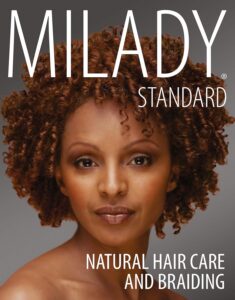
This section focuses on the principles, techniques, and artistry involved in natural hair styling and braid sculpting. Students learn how to create a variety of natural hairstyles using braiding, twisting, wrapping, molding, and sculpting techniques while maintaining the health and integrity of the hair. Emphasis is placed on proper sectioning, parting, tension control, pattern design, and client consultation.
Natural hair and braid sculpting require creativity, precision, and an understanding of hair texture, density, and growth patterns. Professionals must be able to select appropriate techniques based on the client’s hair characteristics, desired style, lifestyle, and maintenance expectations. The chapter also explores how improper technique or excessive tension can contribute to hair damage, breakage, and traction alopecia.
The following questions cover braid sculpting fundamentals, styling techniques, design principles, tension control, client consultation, and professional decision-making. Read each question carefully and select the best answer before checking the correct answer provided below.
Practice Questions
1. What is the primary purpose of braid sculpting?
A. To permanently alter texture
B. To create artistic and structured natural hairstyles
C. To color the hair
D. To remove curl patterns
Correct Answer: B
2. Before beginning any braid service, the stylist should:
A. Analyze the client’s hair and scalp
B. Install extensions immediately
C. Apply edge control
D. Begin sectioning
Correct Answer: A
3. Which factor should be evaluated during a braid consultation?
A. Hair density
B. Hair texture
C. Scalp condition
D. All of the above
Correct Answer: D
4. Excessive tension may contribute to:
A. Increased moisture
B. Faster growth
C. Traction alopecia
D. Increased elasticity
Correct Answer: C
5. Clean partings contribute to:
A. A more professional appearance
B. Faster hair growth
C. Increased density
D. Reduced consultation time
Correct Answer: A
6. Cornrows are created by:
A. Braiding close to the scalp
B. Twisting the hair
C. Wrapping the hair
D. Palm rolling
Correct Answer: A
7. Which characteristic affects braid size selection?
A. Hair density
B. Hair condition
C. Desired style
D. All of the above
Correct Answer: D
8. Why is proper tension important?
A. It helps protect the hair and scalp
B. It increases density
C. It changes texture
D. It eliminates shrinkage
Correct Answer: A
9. A braid pattern should:
A. Be random
B. Support the finished design
C. Ignore growth patterns
D. Follow trends only
Correct Answer: B
10. What is a common benefit of protective styles?
A. Reduced manipulation
B. Permanent growth
C. Increased density
D. Elimination of maintenance
Correct Answer: A
Twists
11. A two-strand twist is created by:
A. Wrapping hair around rods
B. Dividing hair into two sections and twisting them together
C. Braiding three strands
D. Interlocking hair
Correct Answer: B
12. Flat twists are similar to:
A. Cornrows
B. Palm rolls
C. Finger waves
D. Roller sets
Correct Answer: A
13. Rope twists are formed by:
A. Twisting two strands in the same direction before wrapping them together
B. Braiding three strands
C. Palm rolling
D. Wrapping extensions
Correct Answer: A
14. Why are twists popular?
A. They provide versatility and low manipulation
B. They permanently change texture
C. They increase porosity
D. They eliminate shrinkage
Correct Answer: A
15. Which practice helps maintain healthy twists?
A. Excessive tension
B. Regular moisturizing
C. Daily retwisting
D. Excessive product use
Correct Answer: B
16. Flat twists are commonly used for:
A. Scalp-hugging designs
B. Hair coloring
C. Shampooing
D. Permanent waves
Correct Answer: A
17. Why should twists not be installed too tightly?
A. Tight twists may stress the hair and scalp
B. They increase growth
C. They improve density
D. They reduce moisture
Correct Answer: A
18. A twist-out is created by:
A. Unraveling twists after they have set
B. Braiding the hair
C. Palm rolling locs
D. Interlocking
Correct Answer: A
19. Which factor affects the appearance of a twist style?
A. Section size
B. Hair texture
C. Technique
D. All of the above
Correct Answer: D
20. Proper twist maintenance helps reduce:
A. Moisture retention
B. Breakage
C. Density
D. Elasticity
Correct Answer: B
Braiding & Cornrows
21. Feed-in braiding is designed to:
A. Gradually add extension hair
B. Remove density
C. Eliminate partings
D. Straighten hair
Correct Answer: A
22. Why are growth patterns important when braiding?
A. They influence design and comfort
B. They change density
C. They determine color
D. They replace consultation
Correct Answer: A
23. A client experiences discomfort during braiding. The stylist should:
A. Continue the service
B. Evaluate and reduce tension
C. Tighten the braids further
D. Ignore the complaint
Correct Answer: B
24. What contributes most to a professional braid design?
A. Clean partings and consistency
B. Speed only
C. Tightness only
D. Extension weight
Correct Answer: A
25. Why should hairline health be monitored?
A. The hairline is vulnerable to tension-related damage
B. It changes texture
C. It increases growth
D. It eliminates breakage
Correct Answer: A
26. Which factor most affects braid longevity?
A. Installation quality and maintenance
B. Hair color
C. Product packaging
D. Salon location
Correct Answer: A
27. Excessively heavy extensions may:
A. Stress the hair and scalp
B. Increase density permanently
C. Improve elasticity
D. Reduce breakage
Correct Answer: A
28. Cornrow patterns can be used to create:
A. Artistic designs
B. Curved designs
C. Geometric patterns
D. All of the above
Correct Answer: D
29. Which practice demonstrates professionalism?
A. Listening to client concerns
B. Evaluating scalp condition
C. Providing realistic recommendations
D. All of the above
Correct Answer: D
30. The primary goal of braiding is to:
A. Create attractive styles while preserving hair health
B. Maximize tension
C. Eliminate texture
D. Permanently change the hair
Correct Answer: A
Locs
31. Locs form when hair:
A. Is permanently straightened
B. Matts and intertwines over time
C. Is chemically processed
D. Is braided only
Correct Answer: B
32. Which technique is commonly used to start locs?
A. Comb coils
B. Relaxers
C. Hair coloring
D. Finger waving
Correct Answer: A
33. Palm rolling is used to:
A. Help shape and maintain locs
B. Straighten hair
C. Remove locs
D. Increase density
Correct Answer: A
34. Interlocking involves:
A. Pulling the loc through its base
B. Braiding three strands
C. Flat twisting
D. Wrapping extensions
Correct Answer: A
35. Why is proper sectioning important when starting locs?
A. It influences loc size and consistency
B. It changes color
C. It increases elasticity
D. It eliminates maintenance
Correct Answer: A
36. Starter locs should generally be:
A. Consistent in size and sectioning
B. Installed with excessive tension
C. Randomly parted
D. Extremely tight
Correct Answer: A
37. Mature locs are locs that have:
A. Fully developed through the locking process
B. Been chemically altered
C. Been permanently straightened
D. Lost elasticity
Correct Answer: A
38. Excessive retwisting may:
A. Stress the hair and scalp
B. Increase density
C. Improve elasticity
D. Reduce maintenance
Correct Answer: A
39. Which practice supports healthy loc maintenance?
A. Proper cleansing and routine maintenance
B. Excessive wax use
C. Constant retwisting
D. Heavy buildup
Correct Answer: A
40. Heavy product buildup in locs may:
A. Accumulate residue
B. Improve cleanliness
C. Reduce maintenance
D. Increase elasticity
Correct Answer: A
41. Why should loc clients receive maintenance education?
A. Proper care helps preserve loc health
B. Maintenance is unnecessary
C. Retwisting solves every issue
D. Locs require no cleansing
Correct Answer: A
42. Which factor should be considered before starting locs?
A. Hair texture
B. Hair density
C. Client expectations
D. All of the above
Correct Answer: D
43. A client with thinning edges may require:
A. Reduced tension techniques
B. Smaller locs only
C. More retwisting
D. Heavier extensions
Correct Answer: A
44. Loc grooming is intended to:
A. Maintain a neat appearance
B. Change texture
C. Increase density
D. Eliminate cleansing
Correct Answer: A
45. Which statement about locs is most accurate?
A. Locs require ongoing maintenance and care
B. Locs require no maintenance
C. Locs eliminate scalp concerns
D. Locs prevent buildup
Correct Answer: A
Advanced Styling & Professional Scenarios
46. Why is symmetry important in braid sculpting?
A. It creates visual balance
B. It changes density
C. It affects color
D. It increases growth
Correct Answer: A
47. A client requests a style that may damage fragile hair. The stylist should:
A. Explain concerns and recommend alternatives
B. Ignore the condition
C. Increase tension
D. Continue without discussion
Correct Answer: A
48. Which factor contributes most to client satisfaction?
A. Safe installation and desired results
B. Maximum tightness
C. Speed only
D. Product cost
Correct Answer: A
49. What is one sign a style may be too tight?
A. Scalp tenderness and discomfort
B. Increased moisture
C. Improved elasticity
D. Reduced breakage
Correct Answer: A
50. Which practice best supports long-term hair health?
A. Gentle styling and proper maintenance
B. Frequent tight styles
C. Excessive heat
D. Ignoring breakage
Correct Answer: A
51. Why should stylists continue developing braid sculpting skills?
A. Techniques and trends continue to evolve
B. Education is unnecessary
C. Styles never change
D. Clients never change preferences
Correct Answer: A
52. Artistic braid sculpting combines:
A. Technical skill and creativity
B. Tension and density
C. Moisture and porosity
D. Color and elasticity
Correct Answer: A
53. A client’s lifestyle may influence:
A. Style recommendations
B. Maintenance schedules
C. Product recommendations
D. All of the above
Correct Answer: D
54. Why is consultation documentation helpful?
A. It helps track client history and preferences
B. It replaces communication
C. It eliminates consultation
D. It changes results
Correct Answer: A
55. What should be evaluated before adding extensions?
A. Hair strength and density
B. Eye color
C. Occupation
D. Favorite hairstyle
Correct Answer: A
56. Which professional quality contributes most to success?
A. Consistency
B. Reliability
C. Communication
D. All of the above
Correct Answer: D
57. Why should stylists avoid unrealistic promises?
A. Honest expectations build trust
B. Clients prefer guarantees
C. It improves density
D. It changes results
Correct Answer: A
58. Which recommendation best supports a healthy hairline?
A. Avoid excessive tension
B. Increase braid tightness
C. Retwist weekly
D. Use heavier extensions
Correct Answer: A
59. A knowledgeable stylist understands that style selection should be based on:
A. Hair characteristics and client goals
B. Trends only
C. Stylist preference only
D. Product packaging
Correct Answer: A
60. The ultimate goal of natural hair and braid sculpting is to:
A. Create beautiful, structured styles while preserving hair and scalp health
B. Permanently alter texture
C. Maximize tension
D. Eliminate maintenance
Correct Answer: A
Reference and Recommendation